Flags of South America
Recognize the flags of 12 South American countries. Compare their designs, take a short quiz and review any flags you confuse.
About this selection12 places included
12 UN member states in the South America set. Flag designs follow the locally stored flag-icons 7.6.0 artwork.
How this set is defined
Country quizzes use the 193 UN member states. The Holy See and the State of Palestine are non-member observer states and are not included. Each member appears in one regional set: Russia and Cyprus are in Europe; Türkiye, the Caucasus states and Kazakhstan are in Asia. North America includes Central America and the Caribbean. These groupings define the quiz, not a position on statehood or disputed borders.
Not included
- The Holy See (UN non-member observer State)
- The State of Palestine (UN non-member observer State)
- Other non-member entities
- Dependent territories as separate answers
Last scope review:
Open the full answer listOptional. Saves in this browser, on this device.
Study this set
Study the map and its labels before trying a quiz. Outlines are simplified; see the map notes for details.
This image could not load. Try again or use the answer list below.
Map and keyboard help
Tab to a place, then press Enter or Space to select it. With a place focused, use the arrow keys to pan, + and − to zoom, and 0 to reset the view.
For small places, use the named list instead of trying to tap the outline.
Identifying a highlighted shape or a flag requires seeing the image. For map questions with named text choices, choose Find a named place.
Generalized Natural Earth geography; public domain. Coordinate projection is an equirectangular study view with standard-parallel scaling. Boundaries are not a political-status claim.
Dots help you find small places. They mark a location, not the full outline or size of a place.
Read the guideStudy this set
Study a few flags together and look for the detail that separates each pair: color order, band direction or an emblem.
Try the twelve-country round without labels, then return to Learn for any designs you confused.
Places and answers
Name the country represented by the flag shown. The images follow flag-icons 7.6.0 and may use a particular design variant; see the notes below. Listed country names and aliases are accepted.
| Place | Flags | Accepted names | Place notes |
|---|---|---|---|
| Argentina | 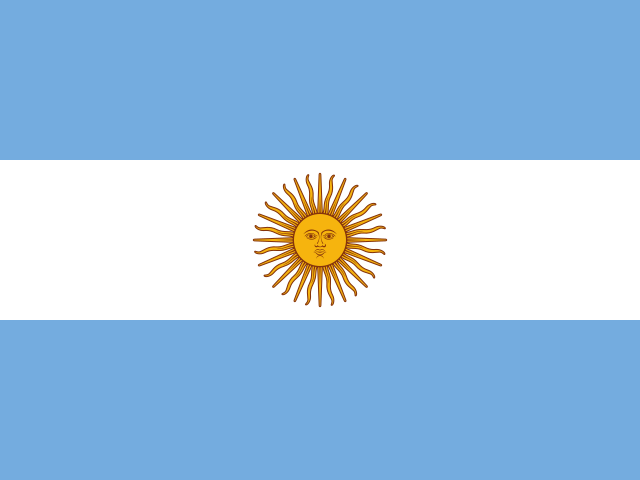 | Argentina | Included in this site’s 193 UN member-state set. Map outlines are simplified. |
| Bolivia | 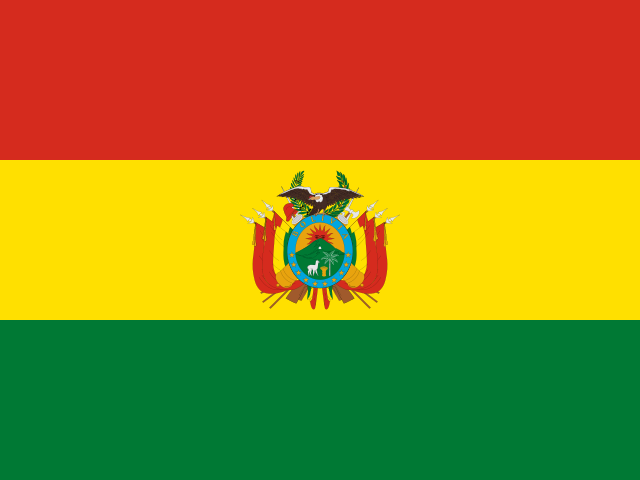 | Bolivia; Plurinational State of Bolivia | Included in this site’s 193 UN member-state set. Map outlines are simplified. |
| Brazil | 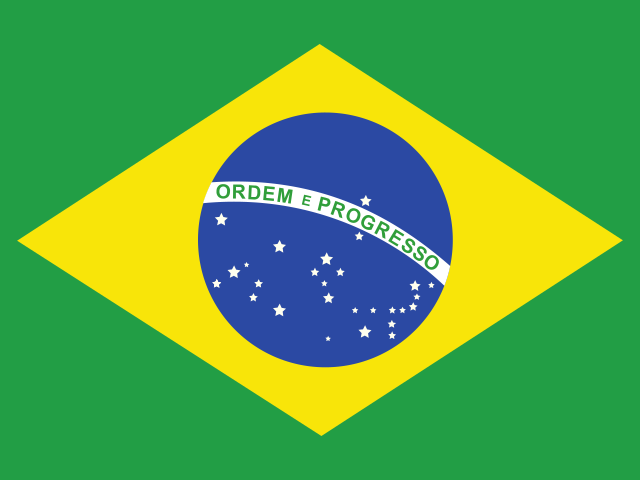 | Brazil | Included in this site’s 193 UN member-state set. Map outlines are simplified. |
| Chile | 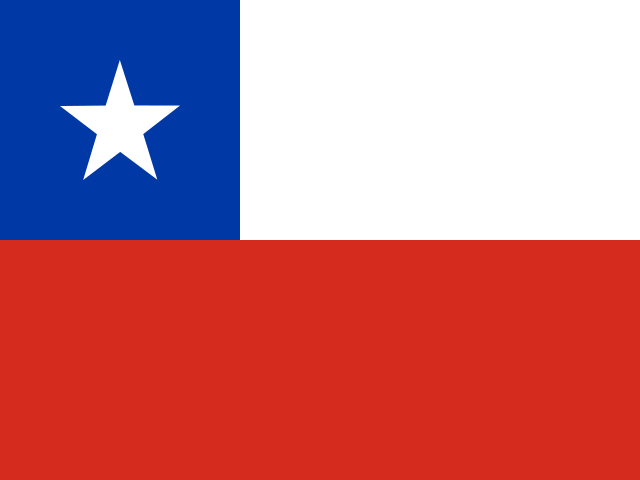 | Chile | Included in this site’s 193 UN member-state set. Map outlines are simplified. |
| Colombia | 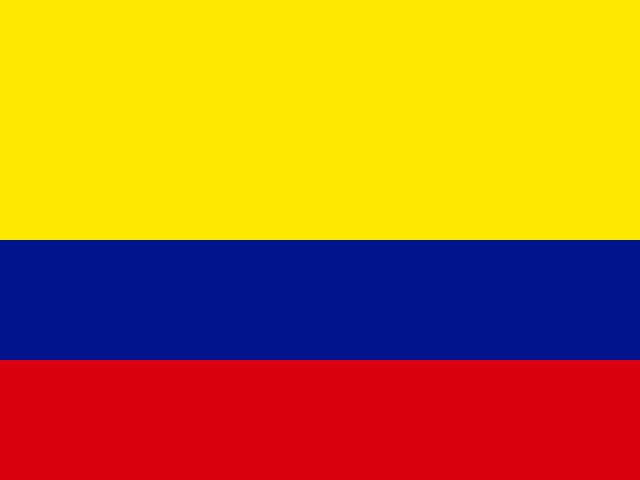 | Colombia | Included in this site’s 193 UN member-state set. Map outlines are simplified. |
| Ecuador | 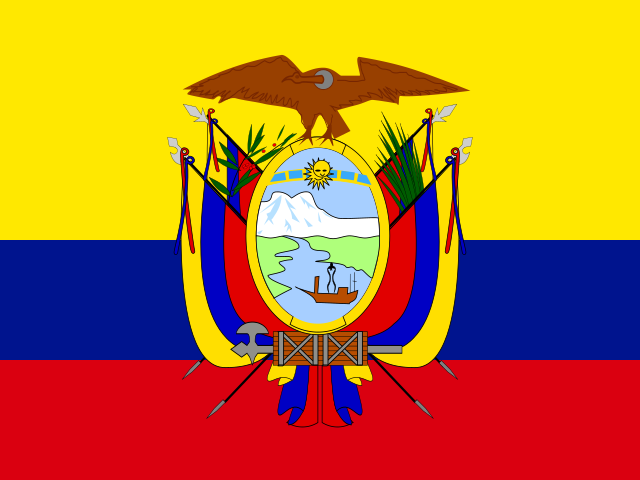 | Ecuador | Included in this site’s 193 UN member-state set. Map outlines are simplified. |
| Guyana | 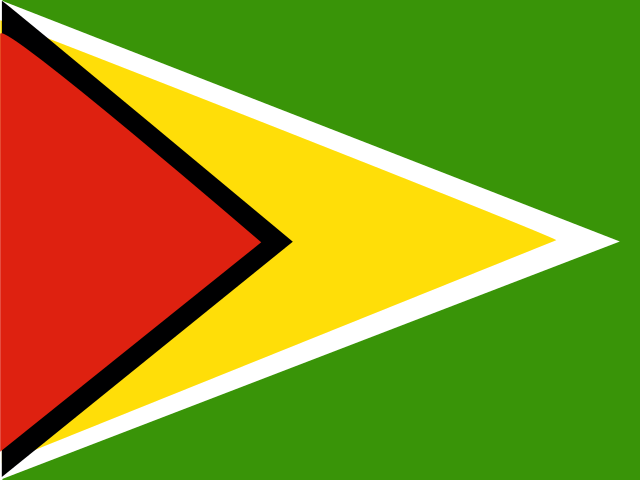 | Guyana | Included in this site’s 193 UN member-state set. Map outlines are simplified. |
| Paraguay | 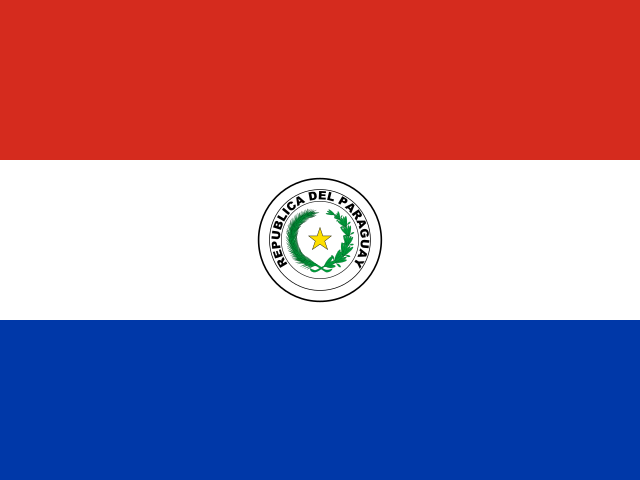 | Paraguay | Included in this site’s 193 UN member-state set. Map outlines are simplified. |
| Peru | 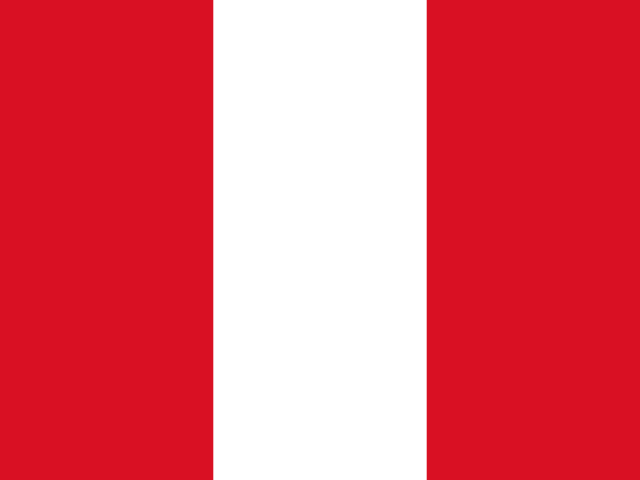 | Peru | Included in this site’s 193 UN member-state set. Map outlines are simplified. |
| Suriname | 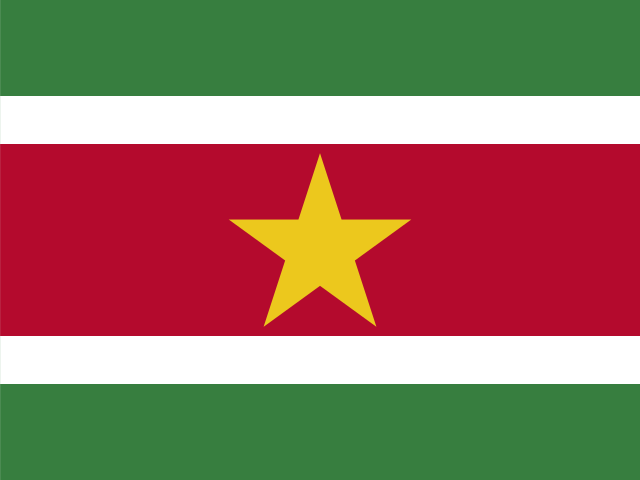 | Suriname | Included in this site’s 193 UN member-state set. Map outlines are simplified. |
| Uruguay | 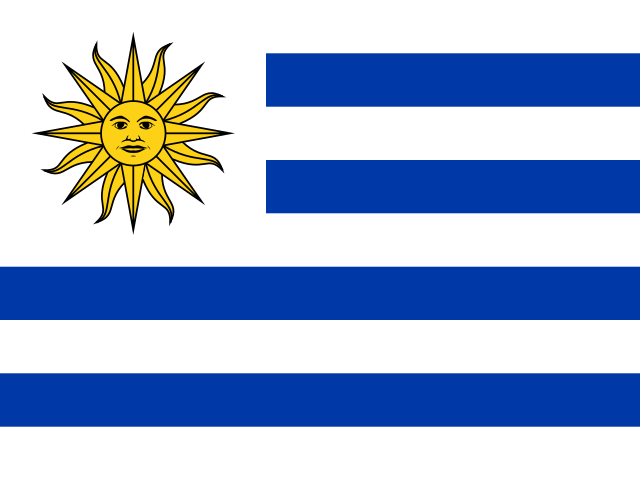 | Uruguay | Included in this site’s 193 UN member-state set. Map outlines are simplified. |
| Venezuela | 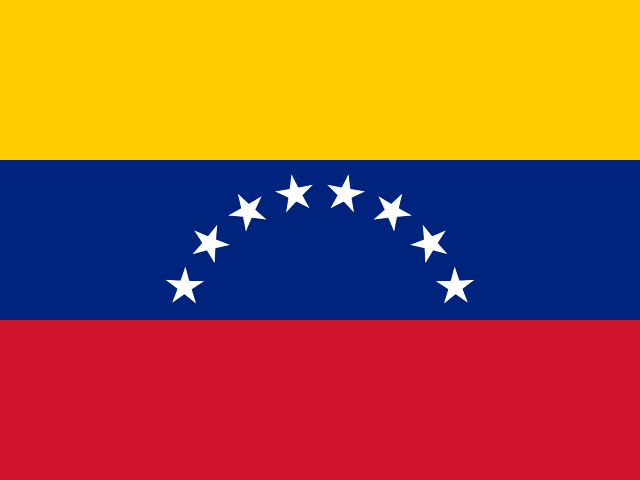 | Venezuela; Bolivarian Republic of Venezuela | Included in this site’s 193 UN member-state set. Map outlines are simplified. |
Sources and map notes
equirectangular; regional standard parallel; US inset transforms when stated. Generalized Natural Earth geography; public domain. Coordinate projection is an equirectangular study view with standard-parallel scaling. Boundaries are not a political-status claim.
- United Nations current Member States
- Natural Earth vector data
- GeoNames country information
- flag-icons local 4:3 SVG flags
- UN non-member observer States
Last scope review: 2026-10-21
Methods & sources